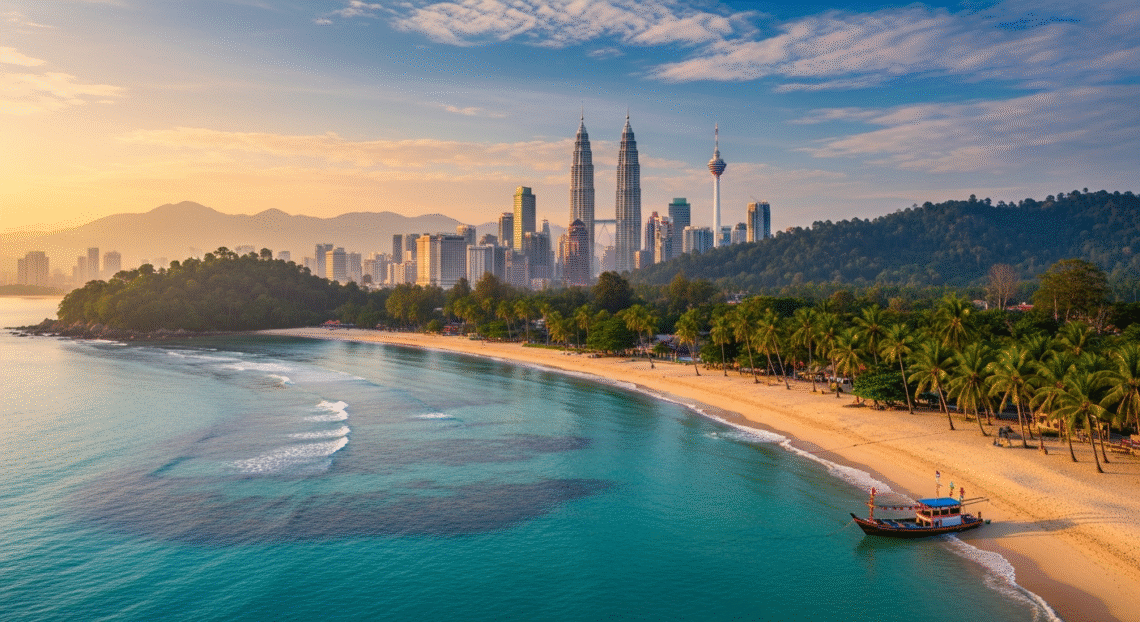
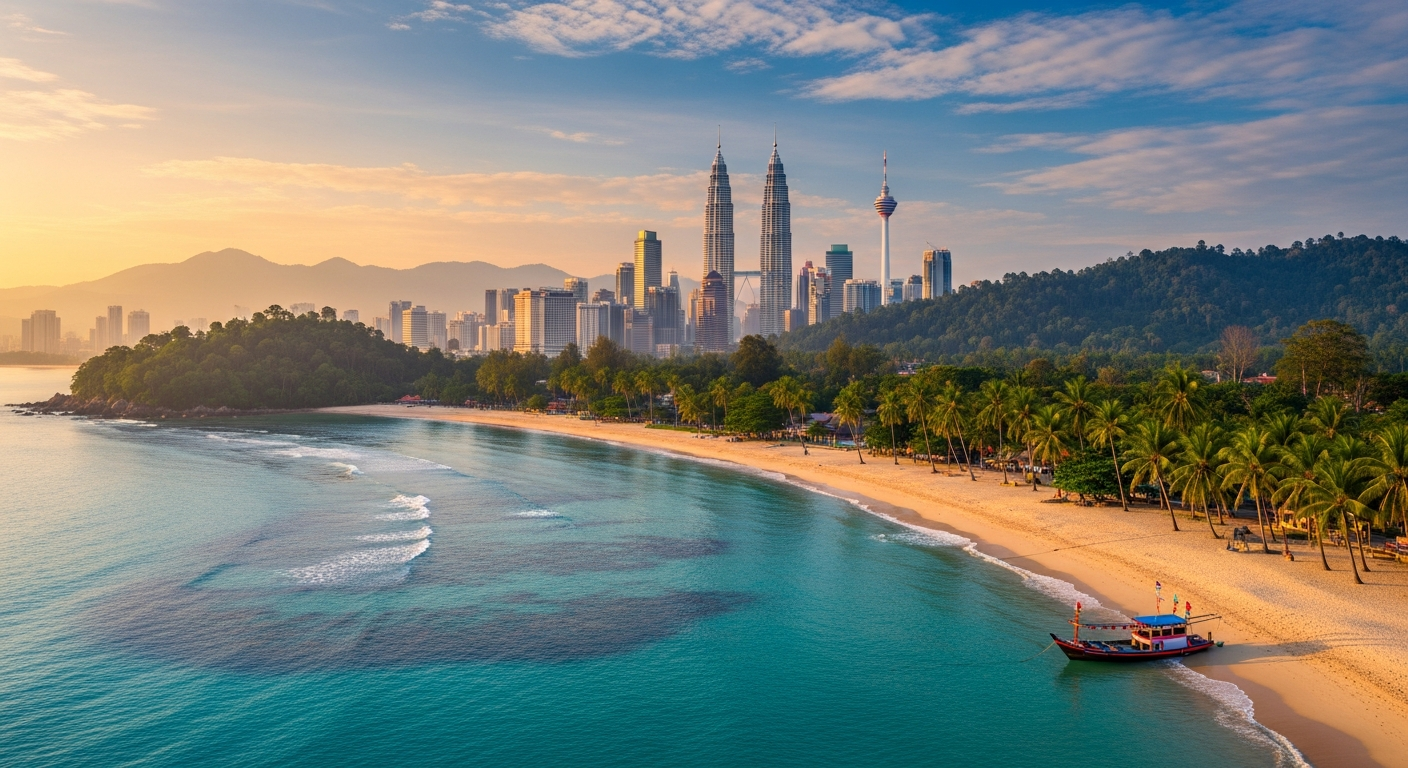
West Malaysia, often called Peninsular Malaysia, is a vibrant region rich in history, culture, and natural beauty. Known for its bustling cities, pristine beaches, and lush rainforests, it attracts millions of travelers each year. From the modern streets of Kuala Lumpur to the serene landscapes of Langkawi, West Malaysia offers experiences for every kind of traveler. Whether you’re exploring the local cuisine, learning about heritage sites, or enjoying nature, West Malaysia has something for everyone.
In this guide, we will explore everything about West Malaysia, including travel tips, culture, lifestyle, and the latest developments in the new West Malaysia. By the end, you’ll have a complete understanding of why this region is a must-visit destination.
What is West Malaysia?
West Malaysia refers to the peninsular part of Malaysia, separated from East Malaysia by the South China Sea. It includes 11 states and is home to the majority of the country’s population. The region is known for its economic development, urban cities, and rich cultural heritage. Cities like Kuala Lumpur, Penang, and Johor Bahru are popular for business, tourism, and modern living. Compared to East Malaysia, West Malaysia is more developed in terms of infrastructure, healthcare, and education.
Geography of West Malaysia
West Malaysia covers an area of about 132,000 square kilometers. The region features mountains, rainforests, and coastal plains. The Titiwangsa mountain range runs through the center, providing a cool climate and scenic views. West Malaysia also has tropical beaches, rivers, and islands ideal for tourism. Its strategic location along the Strait of Malacca makes it a hub for trade and international shipping. The diverse geography supports agriculture, forestry, and tourism, making it an economic powerhouse in the region.
West Malaysia Detailed Overview
| Feature | Details |
|---|---|
 Official Name Official Name |
Peninsular Malaysia (West Malaysia) |
| Area | 132,000 km² |
| Population | ~20 million |
| Capital | Kuala Lumpur |
| Number of States | 11 |
| Language | Malay (official), English widely spoken |
| Currency | Malaysian Ringgit (MYR) |
| Time Zone | GMT+8 |
| Major Cities | Kuala Lumpur, Penang, Johor Bahru, Ipoh |
| Famous Attractions | Langkawi, Cameron Highlands, Taman Negara |
| Key Industries | Manufacturing, Finance, Tourism, Agriculture |
| Cultural Highlights | Hari Raya, Chinese New Year, Deepavali |
| Modern Developments | Smart cities, MRT, eco-friendly tourism projects |
| Cuisine | Nasi Lemak, Char Kway Teow, Rendang |
History of West Malaysia
West Malaysia has a rich history influenced by Malay sultanates, British colonization, and international trade. Malacca was a key trading port during the 15th century, connecting Asia and Europe. The British unified Peninsular Malaysia in the 19th century, shaping the modern infrastructure and governance. Post-independence, West Malaysia became the economic and political center of Malaysia. Today, you can see history reflected in colonial buildings, museums, and cultural festivals throughout the region.
Cities You Must Visit in West Malaysia
West Malaysia boasts vibrant cities offering unique experiences.
- Kuala Lumpur: Malaysia’s capital with modern skyscrapers and shopping districts.
- Penang: Famous for street food, heritage streets, and beaches.
- Johor Bahru: Gateway to Singapore, with theme parks and shopping.
- Ipoh: Known for limestone caves, historical architecture, and local cuisine.
Each city blends modern lifestyle with traditional charm, making West Malaysia diverse and exciting to explore.
Natural Attractions in West Malaysia
West Malaysia is home to stunning natural landscapes. Highlights include:
- Cameron Highlands: Cool tea plantations and hiking trails.
- Langkawi: Island paradise with beaches and waterfalls.
- Taman Negara: Ancient rainforest, wildlife, and canopy walks.
Nature lovers can enjoy hiking, bird-watching, water sports, and eco-tourism in these regions, making West Malaysia perfect for adventure seekers.
Culture and Traditions in West Malaysia
West Malaysia’s culture is a rich blend of Malay, Chinese, Indian, and indigenous influences. Traditional music, dances, and festivals like Hari Raya, Chinese New Year, and Deepavali are celebrated widely. Visitors can explore heritage villages, traditional markets, and cultural museums to experience authentic local life. West Malaysia is also known for its arts, crafts, and local culinary traditions.
Cuisine of West Malaysia
The food in West Malaysia is diverse and flavorful. Popular dishes include:
- Nasi Lemak: Coconut rice with spicy sambal.
- Char Kway Teow: Stir-fried flat noodles with seafood.
- Rendang: Slow-cooked beef with rich spices.
Street food culture thrives in cities like Penang and Kuala Lumpur, offering an unforgettable culinary journey.
Economy and Business in West Malaysia
West Malaysia is Malaysia’s economic heart. Industries include manufacturing, finance, tourism, and agriculture. Kuala Lumpur hosts major international businesses and the stock exchange. Ports like Port Klang facilitate global trade, while technology parks drive innovation. The region’s economy continues to grow with investments in infrastructure, education, and sustainable development.
New West Malaysia: Development and Innovations
The term new West Malaysia reflects the region’s rapid modernization. Smart cities, green technology, and improved public transport are reshaping urban life. Projects like the Mass Rapid Transit (MRT) and sustainable housing developments aim to make life easier and environmentally friendly. Tourism is also evolving, with eco-friendly resorts and digital guides enhancing visitor experiences.
Lifestyle in West Malaysia
Life in West Malaysia combines tradition with modern comforts. Cities offer malls, restaurants, and entertainment, while rural areas maintain cultural heritage and nature. Residents enjoy diverse education options, quality healthcare, and active community life. West Malaysia is also a hotspot for expatriates and digital nomads due to its connectivity, lifestyle, and cost of living.
Travel Tips for West Malaysia
- Best time to visit: March to October for sunny weather.
- Local transport: Buses, trains, and ride-hailing apps are widely available.
- Currency: Malaysian Ringgit (MYR).
- Safety: Generally safe, but always follow local guidelines.
Travelers should explore local markets, try traditional food, and respect local customs for a richer experience.
FAQs About West Malaysia
1. What is the difference between West and East Malaysia?
West Malaysia is on the peninsula, more urbanized and developed, while East Malaysia is on Borneo island with vast rainforests.
2. Is West Malaysia safe for tourists?
Yes. Most cities and tourist areas are safe. Basic precautions are recommended.
3. What is the best time to visit West Malaysia?
From March to October, as the weather is mostly sunny and dry.
4. Can I travel between West and East Malaysia easily?
Yes, by plane or ferry. Air travel is the fastest and most convenient option.
5. What food should I try in West Malaysia?
Don’t miss Nasi Lemak, Char Kway Teow, Laksa, and Rendang.
6. What makes the “new West Malaysia” different?
It refers to modern infrastructure, smart city initiatives, and sustainable tourism projects enhancing daily life.
Conclusion
West Malaysia is a fascinating blend of tradition, modernity, and natural beauty. From bustling cities and cultural festivals to serene islands and mountain retreats, it has something for every traveler or resident. The new West Malaysia reflects its growth, innovation, and global appeal. Whether you plan to visit, invest, or live here, West Malaysia promises experiences that are memorable, diverse, and enriching. Start exploring today and discover the charm, culture, and opportunities this vibrant region has to offer!