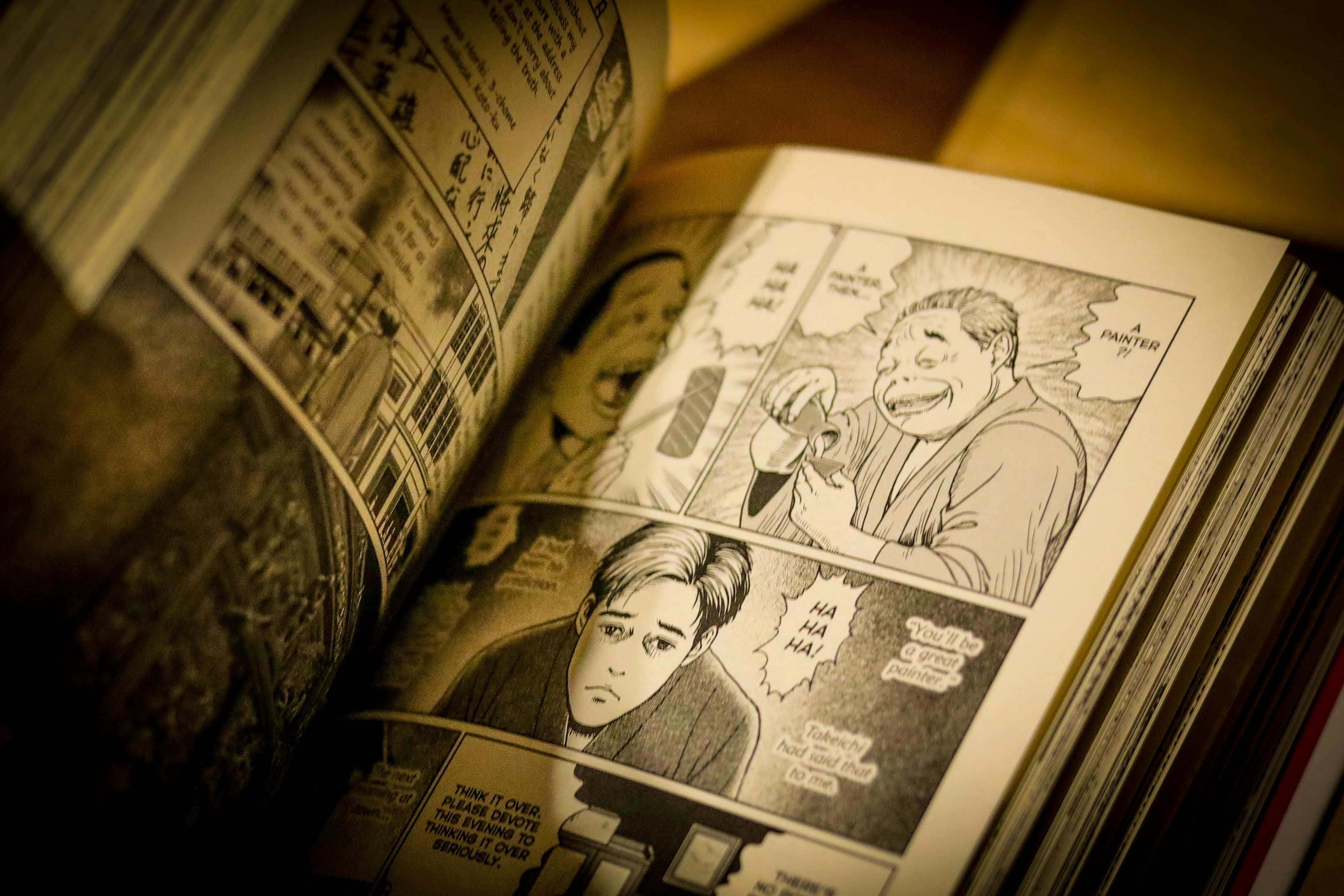
Introduction to Yaoi Manga
Yaoi manga, a genre that features romantic and sexual relationships between male characters, has gained significant popularity both in Japan and internationally. Originating from the broader Boys’ Love (BL) genre, yaoi has its roots in the early 1970s when female artists began to explore male-male relationships in their work. Initially, this genre emerged from the fan culture surrounding male-dominated anime and manga, often drawing inspiration from shonen-ai (literally “boy’s love”) narratives. Over the years, yaoi manga has evolved into a diverse and multifaceted genre that includes various themes, character archetypes, and plots.
Culturally, yaoi holds a notable position within Japanese society, where it has often served as a platform for discussing sociopolitical issues, gender roles, and emotional intimacy, all while providing an escape for readers seeking to explore relationships beyond traditional heteronormative boundaries. The community surrounding yaoi manga is largely composed of women, often referred to as “fujoshi,” who engage with the genre both as consumers and creators. Their unique perspectives contribute to the richness and complexity of yaoi narratives, reflecting personal experiences, desires, and societal challenges.
The appeal of yaoi manga extends beyond its Japanese origins, attracting a global audience that appreciates its storytelling and artistic styles. As the genre has spread worldwide, creators and publishers have adapted yaoi themes to resonate with various cultural contexts, leading to a growing market of translated works and original series produced outside Japan. This accessibility has not only fostered a robust international community of fans but also allowed for more diverse representations within the genre itself. As a result, yaoi manga continues to captivate readers by offering a unique combination of romance, conflict, and emotional depth that transcends cultural barriers.
History of Yaoi Manga
Yaoi manga, which focuses on romantic and sexual relationships between male characters, has a rich and varied history that traces back to the 1970s in Japan. Initially emerging as a sub-genre within the broader category of shōnen-ai, or “boys’ love,” yaoi evolved from works that primarily targeted female audiences, eventually gaining popularity and acceptance in mainstream culture. The term “yaoi” itself is an acronym for “yama nashi, ochi nashi, imi nashi,” translating to “no peak, no setting, no meaning,” which reflects the genre’s initial focus on romantic encounters over plot substance.
One of the earliest and most influential works in this genre was “Kaze to Ki no Uta,” created by Keiko Takemiya in 1976. This pioneering narrative set the stage for future stories, offering more complex characters and deeper emotional connections. As the genre grew, so did the variety of its storytelling. Yaoi manga began to showcase a wider range of narratives, drawing from different historical, cultural, and fantasy elements, thereby appealing to a broader audience.
In addition to traditional publication, doujinshi, or fan-made manga, played a crucial role in the proliferation of yaoi themes. Starting in the 1980s, amateur artists and writers began to create their own works, experimenting with character relationships and scenarios, ultimately leading to a more diverse yaoi manga landscape. Events such as Comiket, a biannual comic market, saw an explosion in the production and distribution of doujinshi, further solidifying the genre’s place in contemporary Japanese art.
By the late 1990s and early 2000s, yaoi manga entered an international phase, gaining a dedicated fanbase outside of Japan. Translations and adaptations flourished, leading to the establishment of a global community celebrating this unique form of storytelling. Significant milestones such as award-winning series and commercial successes have contributed to the legitimization of yaoi as a vital component of the manga world. Through its continued evolution, yaoi manga reflects changing societal values and the complexities of human relationships, securing its status as a beloved genre.
Popular Yaoi Manga Titles
Yaoi manga, exploring themes of romance and relationships between male characters, has gained significant acclaim and a dedicated readership. While many titles exist, several standout series have captured the hearts of fans globally. Herein, we delve into a few of the most popular yaoi manga titles worth noting.
One iconic title is “Junjou Romantica” by Shungiku Nakamura. This series revolves around multiple couples, the central one being the tumultuous romance between college student Akihiko Usami and his young, earnest partner, Misaki Takahashi. Their relationship evolves through various challenges, including societal expectations and personal ambitions. The engaging character dynamics and intriguing plot twists make this work a classic.
Another noteworthy mention is “Yarichin Bitch Club” by Tanaka Ogeretsu. This hilarious and audacious title follows the escapades of a high school transfer student who gets involved with the “Yarichin Bitch Club,” a group known for its focus on boys’ love. The appeal of this manga lies not just in its humor but also in the diverse characters, each with unique backgrounds and aspirations. This enables readers to resonate with different perspectives, elevating the narrative.
For those seeking more recent hits, “Given” by Natsuki Takaya has received widespread acclaim. The story focuses on a group of musicians and intricately weaves themes of love, grief, and the passion for music. The central relationship between Ritsuka and Mafuyu is beautifully portrayed, highlighting the emotional depth of their connection and the challenges they face together. Given has garnered a significant following, not only for its story but also for its stunning art and engaging soundtrack.
These titles represent just a fraction of what yaoi manga has to offer. Each series brings forth unique storytelling, character development, and artistic styles, catering to varied reader preferences within the genre.
Understanding Yaoi Tropes and Themes

Yaoi manga, known for its exploration of romantic relationships between male characters, is rich with distinctive tropes and themes that resonate deeply with its audience. Central to many yaoi narratives are the archetypes of ‘seme’ and ‘uke.’ The term ‘seme’ refers to the dominant partner, often characterized by assertive behavior and a protective demeanor. In contrast, the ‘uke’ represents the submissive partner, typically portrayed with more vulnerability and sensitivity. This dynamic not only adds layers of tension and intrigue to the storyline but also highlights the complexities of emotional relationships and power dynamics within them.
Forbidden love is another recurring theme that significantly enriches yaoi narratives. Characters often find themselves in situations where societal norms, familial expectations, or personal circumstances present barriers to their affection. This conflict adds depth to the plot, driving the characters to confront their feelings and societal attitudes. Such tension creates a sense of urgency and emotional investment, making the readers root for the characters as they navigate their challenges. sukuna
Moreover, love triangles frequently appear in yaoi manga, introducing additional layers of conflict and character development. These triangles create a dynamic interplay between the characters, leading to heart-wrenching choices and sometimes devastating consequences. The presence of a rival can propel characters into a deeper understanding of their emotions and desires, further enriching the narrative.
Interpersonal conflicts are crucial in yaoi stories. They often serve as catalysts for character development, pushing the protagonists to confront their inner fears, insecurities, and desires. As characters tackle their personal struggles and the obstacles posed by their relationships, readers are presented with a nuanced portrayal of love that transcends societal barriers. These themes and archetypes are what make yaoi compelling, providing a multifaceted view of love within a context that is both entertaining and thought-provoking.
The Yaoi Fandom Community
The yaoi fandom community is a vibrant and dynamic space that encapsulates the passion of its diverse members, who share a deep appreciation for boys’ love comics. This genre has fostered an inclusive environment where fans can express their creativity and interpret narratives differently through various forms of content, including fan art and fan fiction. Such expressions not only underscore the richness of yaoi but also allow fans to engage with the characters and stories on a more personal level.
In this thriving community, creators and consumers alike interact extensively. Through platforms like DeviantArt, Tumblr, and Twitter, fans publish their artwork, often reimagining the beloved characters and situating them in new contexts, thus expanding the universe established by original manga authors. Similarly, fan fiction serves as an outlet for readers to explore alternative storylines or character development, adding depth to the primary narratives found within yaoi manga. The limitless imagination of these fans contributes significantly to the overall experience of boys’ love stories.
Social media platforms play a crucial role in connecting fans from around the globe, allowing them to share, discuss, and collaborate on their interests seamlessly. Dedicated groups and forums provide spaces for open dialogue about various aspects of yaoi, from recommendations of lesser-known titles to debates over popular tropes. This collective engagement creates a sense of belonging among members, reinforcing their shared enthusiasm for the genre while also introducing new fans to the diverse range of yaoi content. The interconnectedness fostered by social media amplifies the influence of the yaoi fandom, reflecting its expansive growth and the enduring appeal of boys’ love comics. sukuna jjk
Yaoi Manga vs. Other Genres
Yaoi manga, often characterized by its focus on romantic and sexual relationships between male characters, occupies a unique position within the broader world of manga genres. Compared to shonen-ai and shoujo-ai, which share thematic elements with yaoi but cater to slightly different audiences, the distinctions become evident in their narrative styles and target demographics. Shonen-ai, while it also explores male-male relationships, typically focuses on emotional connections and romantic undertones without delving deeply into physical intimacy. This genre often aims at a younger male audience and presents a more platonic view of same-sex love, emphasizing friendship and emotional growth rather than overt sexuality.
On the contrary, yaoi manga embraces physical relationships and has garnered a significant following among female readers, who often appreciate the drama and intense emotions depicted in these stories. The storytelling in yaoi tends to prioritize the complexity of the characters’ relationships, capturing their struggles, desires, and the societal pressures they encounter. In contrast, shoujo-ai, which focuses on romantic narratives between female characters, shares themes of love and emotional depth but often addresses different societal issues, providing representation for LGBTQ+ women. The relationship dynamics in shoujo-ai can range from platonic friendships to passionate romances, similar to that of shonen-ai but distinct from the explicit nature typical of yaoi.
Moreover, yaoi has influenced and been influenced by various genres in manga and anime, creating a rich intertextuality. For example, elements of yaoi can sometimes be found in mainstream shonen and shoujo series, where hints of same-sex relationships are explored, broadening acceptance and interest in diverse representations. Similarly, elements of drama and romance from other genres often permeate yaoi narratives, resulting in varied storytelling styles that appeal to a wide range of readers. This interplay highlights the evolving landscape of manga as it continuously seeks to challenge boundaries and embrace new ideas.
How to Get Started with Yaoi Manga
If you are new to the world of yaoi manga, embarking on this journey can be both exciting and overwhelming. A plethora of titles and genres exist, catering to different tastes and preferences. To help you navigate this vibrant landscape, we will outline some practical advice, starting with where to find and purchase manga titles.
There are numerous platforms to discover yaoi manga, both digital and physical. Online retailers such as Amazon, Barnes & Noble, and Book Depository have extensive selections of printed and digital volumes. Specialized websites like MyAnimeList and Right Stuf Anime not only offer purchasing options but also provide user reviews, which can be invaluable in determining whether a particular series resonates with your interests. Additionally, subscription services like Crunchyroll Manga and ComiXology offer access to a wide range of yaoi titles, often allowing you to explore various series before committing to a purchase.
When it comes to reading platforms, you may consider using apps such as Shonen Jump, Manga Plus, or Webtoon, which host curated collections of manga, including yaoi sub-genres. These platforms often feature free content alongside premium offerings, giving you the flexibility to try new series without financial commitment. As a newcomer, browsing through popular titles can help you identify what intrigues you most. vyvymanga
Choosing the right series largely depends on your personal interests. If you enjoy romantic comedies, consider titles like “Check, Please!” or “Love Stage!!”. For deeper emotional narratives, “Say Please” and “Given” are highly recommended. To enhance your experience, consider exploring complementary resources such as fan forums, social media groups, and blogs dedicated to yaoi manga, which can provide insights and recommendations tailored to your tastes. Engaging with these communities can enrich your appreciation and understanding of the genre, allowing you to enjoy it to the fullest.
The Future of Yaoi Manga
The landscape of yaoi manga is rapidly evolving, influenced by changing societal attitudes and technological advancements. Traditionally, this genre, focused on romantic relationships between male characters, has often faced scrutiny and challenge regarding representation and acceptance within mainstream culture. However, recent trends indicate a shift towards greater inclusivity and diversity, which may significantly shape the future of yaoi narratives.
One notable trend is the increasing availability of yaoi manga through digital platforms. The rise of webcomics and self-publishing allows independent authors to share their work without the constraints of traditional publishing, thus favoring a wider range of stories and characters. This democratization of content creation facilitates diverse representation beyond conventional tropes, offering new voices and perspectives that resonate with a broader audience. The intersection of technology and storytelling is likely to bring innovative formats to the genre, such as interactive narratives and integration with virtual reality, providing immersive experiences for readers.
Furthermore, societal attitudes towards LGBTQ+ relationships and identities are continuously evolving. This shift has allowed for more mainstream acceptance of yaoi, as it becomes a vehicle for exploring themes of love, identity, and emotion without fear of stigma. These changes are supported by increased awareness and advocacy for representation in media, prompting publishers to broaden their catalogs and present more varied protagonists and storylines. As a result, the genre not only appeals to dedicated fans but also attracts new readers who seek relatable narratives that reflect their experiences.
In summary, the future of yaoi manga appears promising, characterized by enhanced representation and the creative potential of digital platforms. The ongoing embrace of diverse narratives and changing perceptions in society are likely to shape this genre, making it more inclusive and widely appreciated in the years to come.
Conclusion
In closing, the world of yaoi manga represents a vibrant and significant niche within the broader landscape of manga and anime culture. Its thematic exploration of romantic relationships between male characters not only offers an emotional outlet for readers but also fosters a sense of community among fans. Throughout our exploration, we have uncovered the origins and evolution of yaoi, delving into its diverse sub-genres, artistic styles, and the impact it has made on mainstream media.
Yaoi manga, often characterized by its rich storytelling and compelling character development, serves as a mirror reflecting societal notions of love, intimacy, and identity. By embracing male-male relationships, it challenges traditional gender roles and promotes inclusivity, resonating with a global audience. The growth of this genre has led to an increase in fan-created content such as doujinshi, affirming the passion and creativity of its readership.
Additionally, yaoi has sparked critical discussions regarding representation in media, pushing the boundaries of what stories can be told and who gets to tell them. It is essential for readers and creators alike to engage thoughtfully with the material, appreciating the art form while acknowledging its complexities. By celebrating the narratives within yaoi manga, we can better understand its contributions not only to manga and anime but to literature and culture as a whole.
We encourage you, dear readers, to explore the vast and colorful expanse of yaoi manga. Whether you are a newcomer or a seasoned fan, there is much to discover. By supporting creators and sharing your thoughts on their work, you become an integral part of this dynamic community. Engage with the stories, connect with others who share your interests, and immerse yourself in the captivating world of boys’ love comics.